The Steam Garden
Make one today. Grow them next.
Meet the people behind the plants, care for your bouquet, and grow something of your own.
A Climate Week gathering with Pinterest @ Planethaus (planethaus.us).
Where to go from here
Reserve a farm shareOctober in Manhattan. Register your interest; no payment now.
Caring for your bouquet
- Hang securely, away from direct water spray.
- Let your bouquet dry between showers.
- You can also hang it in a dry room to enjoy as a botanical arrangement.
- Remove and discard if mold develops.
For decorative hanging use.
Every bouquet was made by hand from what the growers cut that week, so no two are quite the same. Yours may hold herbs, grasses, or seasonal flowers that another does not.
Decorative only. Some of what's in a bouquet is a garden plant rather than a culinary herb, so don't assume any of it is safe to eat, to add to bathwater, or to put against skin.

Grow your next bouquet
Steam Bouquet Mix
The packet reads Anise hyssop · Lemon bee balm · Strawflower and others. Five species share the packet. The three named on the front are the ones you see first; calendula and sage are the others. They want different things from you, so they are set out one at a time below.
Three different depths in one packet. Sow them together at one depth and the strawflower, which needs light, is the one you lose. Tip the packet onto a white plate and sort by shape first.
Soil surface
0mm
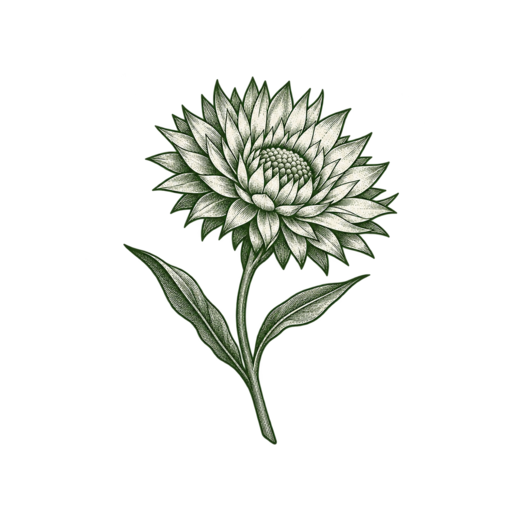 StrawflowerSeed: small pale pills
On the surface. Not covered at all. Light is required to germinate.
2mm
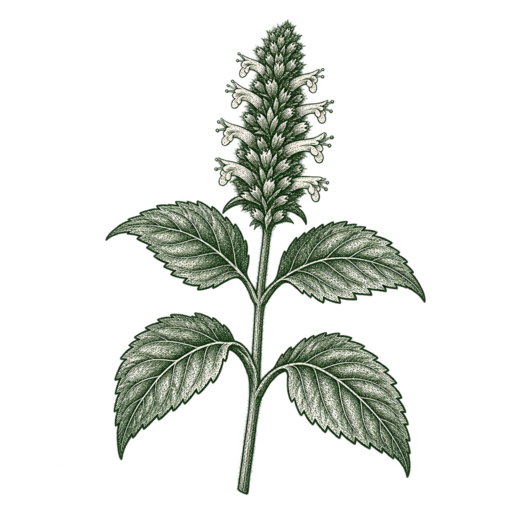 Anise hyssopSeed: tiny brown dots
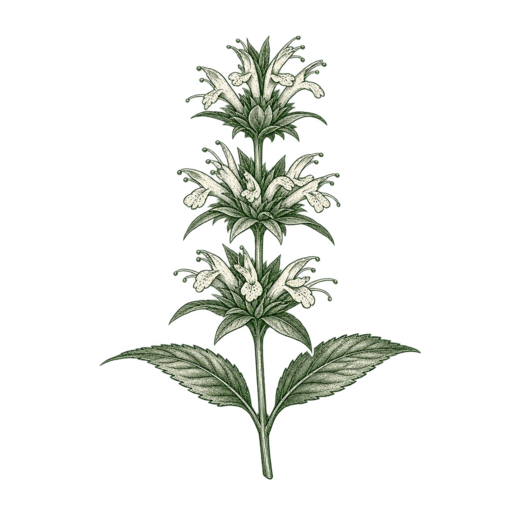 Lemon bee balmSeed: tiny brown dots
Barely covered. Tamped into the mix or dusted over, no more.
6mm
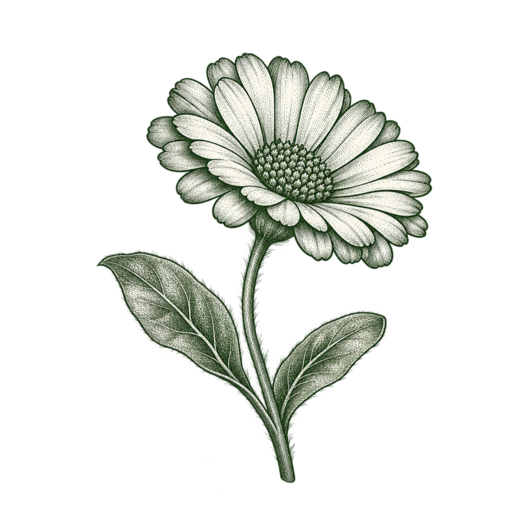 CalendulaSeed: tan crescents
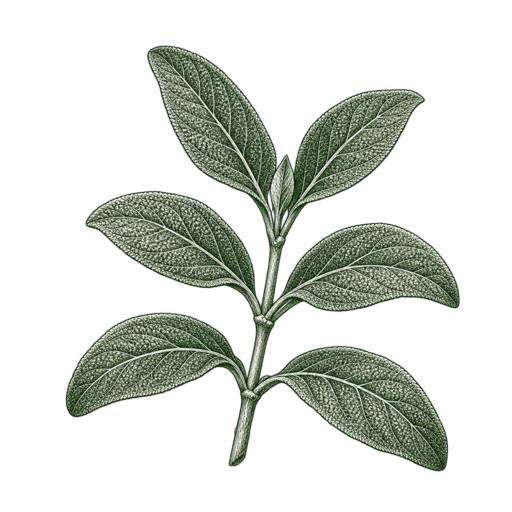 SageSeed: small black balls
A quarter inch down. Properly covered, no more than your pinky nail.
Right now, in autumn
- Do this nowAnise hyssopstart 30 days of cold-moist stratification
- OptionalCalendulaoptional overwintering trial
- OptionalLemon bee balmoptional fall scatter
- HoldStrawflowerkeep dry until spring
- HoldSagekeep dry until spring
Right now, in winter
- Do this nowAnise hyssopdormant sow outdoors, or stratify
- HoldStrawflowerstart indoors late winter
- HoldCalendulahold for spring
- HoldLemon bee balmhold for spring
- HoldSagestart indoors late winter
Right now, in spring
- Do this nowStrawflowerstart indoors, plant out after frost
- Do this nowAnise hyssopsow stratified seed
- Do this nowCalenduladirect sow after frost
- Do this nowLemon bee balmstart indoors 7–9 weeks ahead
- Do this nowSagesow indoors or direct
Right now, in summer
- Do this nowCalendulakeep sowing and cutting
- HoldStrawflowercut for drying
- HoldAnise hyssopcut flowers and leaves
- HoldLemon bee balmcut for drying
- HoldSagetake leaves as needed
The five, one at a time
The flower that dries without looking dried. Papery bracts that hold their colour for years, which is why it ends up in almost every hanging bunch.
- The seed
- Small, slender and pill-shaped. The only seed in the mix that stays on the surface, so it's the one to pick out first.
- Sowing depth
- Do not cover the seed. Light is required for germination; this is the only one of the five that needs it. Water from below or mist, so you don't wash soil over the seed.
- When to sow
- Start indoors 4–6 weeks before you plant out, then harden off and transplant once frost has passed. Direct sowing is only worth it where summers are long.
- Germination
- 7–10 days at 70–75°F.
- Sun and spacing
- Full sun, 10–12 inches apart. Reaches 36–40 inches and may need support.
- In containers
- Not listed for containers. It is sold for cutting and for drying.
- Harvest
- Cut when two or three layers of petals have opened but before the centre shows. Worth knowing: overmature blooms close at night and on grey days, so they can pass for perfect ones. Cut on a bright morning, or let stems sit in light for a few hours; the overmature ones will reopen and you can pull them out. They keep opening as they dry, so a bloom cut too late will shatter.
- Lives
- Annual. 75–85 days. to maturity. Still often catalogued under the older name Helichrysum bracteatum.
Through the year
- autumnNothing to do now. It is frost-tender and needs 75–85 days, so a September sowing would be killed long before it flowered. Keep the seed somewhere cool and dry.
- winterStart indoors 4–6 weeks before your last frost. For New York City that lands around late February into early March.
- springSow indoors uncovered under lights, then transplant out once frost has passed.
- summerKeep cutting. Blooms taken at the right stage dry best, and harvesting keeps the plant producing.
Source: Johnny's Selected Seeds; Choice Mix StrawflowerJohnny's Selected Seeds; Strawflower growing information
Soft purple spikes that smell like liquorice when you brush past them, and the plant bees work hardest in the whole bed. The one species here that comes back on its own.
- The seed
- Tiny brown dots, hard to tell from lemon bee balm; they go in at the same depth, so they don't need separating.
- Sowing depth
- Tamp the seed into the mix or barely cover it. A quarter inch if you are direct sowing. No light requirement is stated on the packet. Prairie Moon, which sells it as a native, surface sows it and notes buried seed can simply stay dormant.
- When to sow
- Direct seed in spring; the packet does not mention stratification. Prairie Moon assigns it a 30-day cold-moist stratification, which is the thing worth knowing if you are holding the packet in autumn.
- Germination
- 7–16 days. No temperature is given.
- Sun and spacing
- Full sun, 6–12 inches apart in rows 24–36 inches. Reaches 24–36 inches. Likes a sandy, moist, well-drained loam.
- In containers
- Not listed for containers.
- Harvest
- Cut both flowers and leaves fresh, or hang them to dry for tea. Sold for drying and as an edible flower; no stage-to-cut is given.
- Lives
- Perennial, hardy in zones 5–9, so it should overwinter in New York City. Catalogue pages sometimes disagree here; the quick facts may say tender perennial while the zone range says 5–9. 75–80 days. to maturity.
Through the year
- autumnThis is the only one of the five with something genuinely time-sensitive to do. Mix the seed with barely damp sand in a sealed, dated bag and put it in the refrigerator at 33–40°F for 30 days, then sow in spring. The alternative is dormant sowing outdoors; but wait for a hard frost rather than doing it now, or it may germinate and go into winter as seedlings.
- winterAfter a hard frost you can scatter it on a bare, weed-free patch outdoors and let winter do the chilling for you. Otherwise stratify in the refrigerator for 30 days.
- springSow once freezing temperatures have passed, barely covering the seed.
- summerCut flowers and leaves as you want them, fresh or hung to dry.
Source: Johnny's Selected Seeds; Anise HyssopJohnny's Selected Seeds; Anise hyssop growing informationPrairie Moon Nursery; stratification (supplemental)
Quick, cheerful, and forgiving. Flashback throws apricot and peach with bronze on the petal backs, and it will flower until a hard frost stops it.
- The seed
- Tan and curled into a crescent. The largest seed in the mix and the easiest to spot.
- Sowing depth
- A quarter inch down, properly covered. No light requirement is stated. A professional culture sheet from Syngenta records germination light as not required, which means the seed is indifferent; covering it is about moisture and contact with the soil, not darkness.
- When to sow
- Direct sow after frost has passed, then sow again two or three more times at 2–3 week intervals for flowers right through to heavy frost. If you would rather transplant, start 4–5 weeks ahead.
- Germination
- 7–14 days at 70°F.
- Sun and spacing
- Sun to part shade, 6–12 inches apart. Reaches 18–24 inches. Wants rich, well-drained soil.
- In containers
- Yes. It grows well in containers.
- Harvest
- For cut flowers, take them at about half open. For eating, wait until fully open and pull the petals off; not the calyx or the centre.
- Lives
- Annual. 50–55 days, the fastest of the five. to maturity.
Through the year
- autumnWorth an experiment if you want one. It is cold tolerant, and a succession chart from an Oregon farm lists calendula seeded in mid-September as an overwintered cool-season annual. Oregon winters are far milder than ours, so treat this as a trial: sow part of the packet somewhere sheltered or under cover, and keep the rest for spring.
- winterHold the seed. You can start transplants 4–5 weeks before you plan to plant out.
- springDirect sow after frost, then sow again every two or three weeks to keep it flowering.
- summerKeep cutting at half open, and keep a late sowing going for autumn flowers.
Source: Johnny's Selected Seeds; Flashback Mix Organic CalendulaJohnny's Selected Seeds; Calendula growing information
Tiers of pale lavender bracts stacked up the stem, and leaves that smell sharply of lemon when crushed. It dries as well as anything in the mix.
- The seed
- Tiny brown dots, hard to tell from anise hyssop; they go in at the same depth, so they don't need separating.
- Sowing depth
- Cover the seed lightly. Cover lightly; no light requirement is stated. Several other suppliers insist the seed needs light and should be pressed into the surface uncovered. That is a real disagreement rather than a gap; a very thin dusting satisfies both readings.
- When to sow
- Transplanting is the usual route, sown 7–9 weeks before you plant out. Direct sowing works too, covered lightly.
- Germination
- 10–14 days at 68–72°F.
- Sun and spacing
- Sun to part shade, 12–18 inches apart. Reaches 30–38 inches. Any well-drained soil.
- In containers
- Yes. It grows well in containers.
- Harvest
- For fresh use cut when almost completely open. For drying let it open fully, then hang it. It dries well. Leaves and flowers are both edible, and the leaves are intensely spicy.
- Lives
- Annual, distinct from the perennial M. didyma. It self-sows readily. 110–120 days, much the longest of the five. to maturity.
Through the year
- autumnThe packet has no autumn guidance, but Restoration Seeds supports direct seeding this species in fall, which is what it does by itself; seed drops, sits on the surface over winter, comes up in spring. If you want to try it, scatter part of the packet on prepared ground and keep the rest for a spring sowing.
- winterHold the seed. At 110–120 days it needs the full season ahead of it.
- springStart indoors 7–9 weeks before planting out, covering the seed lightly.
- summerCut fully open stems and hang them to dry.
Source: Johnny's Selected Seeds; Lemon Mint MonardaJohnny's Selected Seeds; Monarda growing informationRestoration Seeds; fall sowing (supplemental)
A culinary sage bred for a high oil content, which is why the leaves smell so strongly. Plant it once and it should be there in five years.
- The seed
- Small, round and black.
- Sowing depth
- A quarter inch down. Two or three seeds per pot, thinned to the strongest one. No light requirement is stated. Jelitto, who sell the same cultivar, say to cover thinly and keep it evenly moist at around 68°F.
- When to sow
- Start indoors 6–8 weeks before your last frost and plant out after it, or direct sow in spring as soon as the soil can be worked.
- Germination
- 7–21 days at 65–70°F.
- Sun and spacing
- Sun to part shade, 12 inches apart in rows 18 inches. Reaches 16–30 inches. Good drainage is essential if it is going to overwinter.
- In containers
- Yes. It grows well in containers.
- Harvest
- In the first year take individual leaves once the plant is established. From the second year, cut stems to within six inches of the base just as the flowers start to open, and hang small bunches upside down somewhere airy and out of direct sun. Plants go woody and are worth replacing every three or four years.
- Lives
- Perennial, hardy in zones 4–8, so it should overwinter in New York City. 80–90 days. to maturity.
Through the year
- autumnNothing to do now. Sow in spring, and there is no real harvest in the planting year anyway. Keep the seed cool and dry.
- winterStart indoors 6–8 weeks before your last frost.
- springSow indoors, or direct sow as soon as the soil can be worked.
- summerTake individual leaves once the plant has established.
Source: Johnny's Selected Seeds; Extrakta SageJohnny's Selected Seeds; Sage growing information